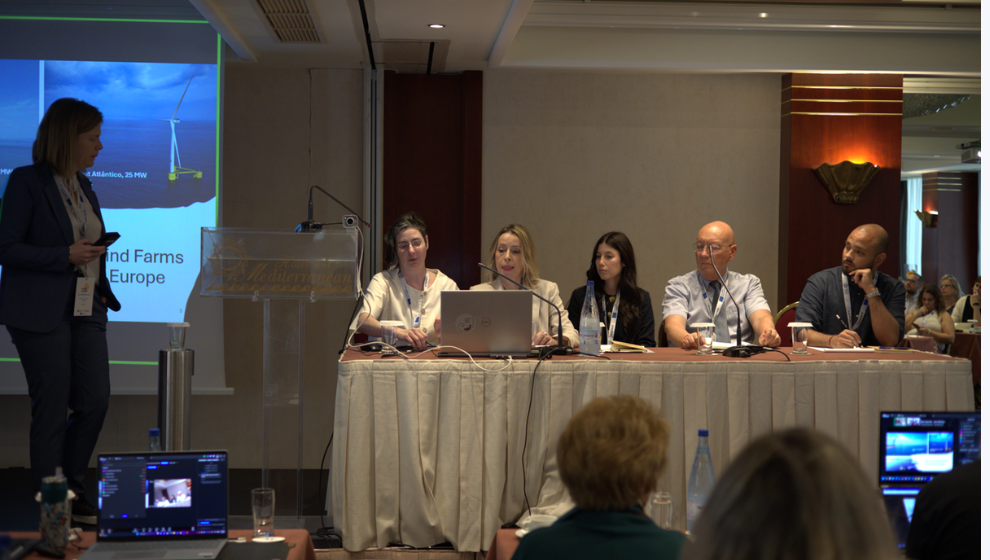
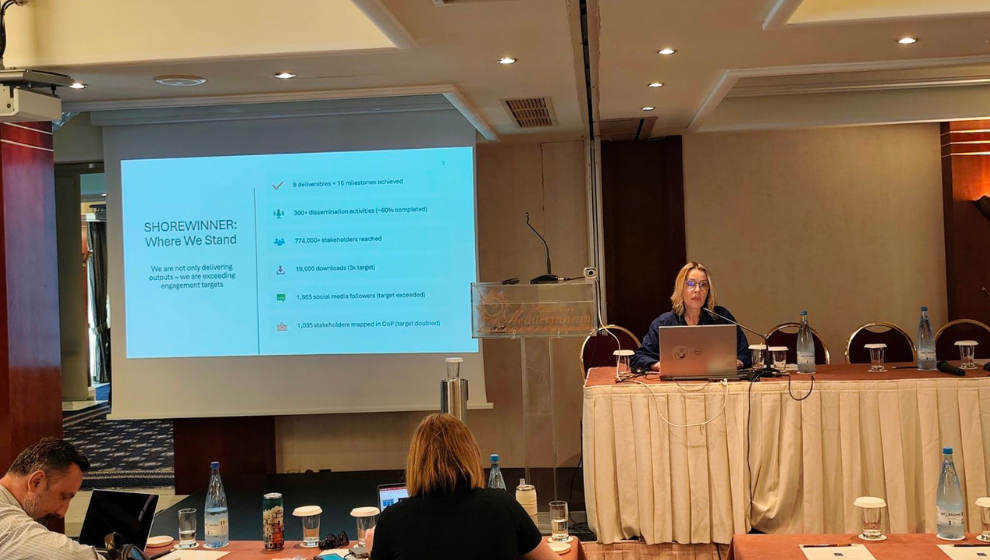
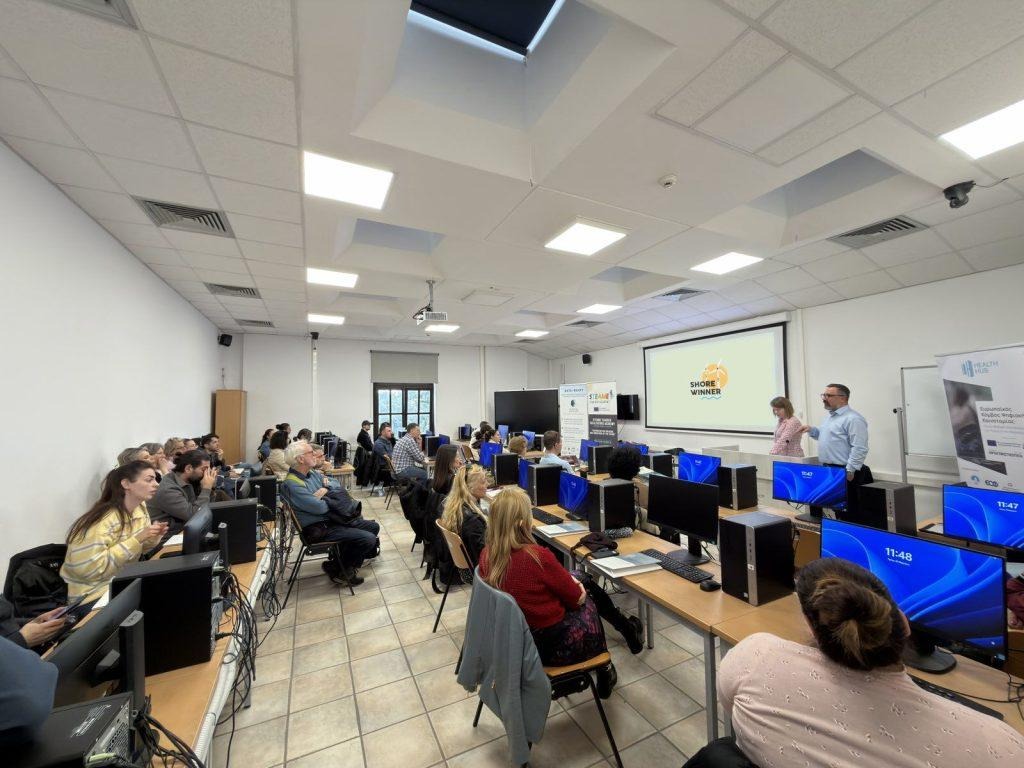
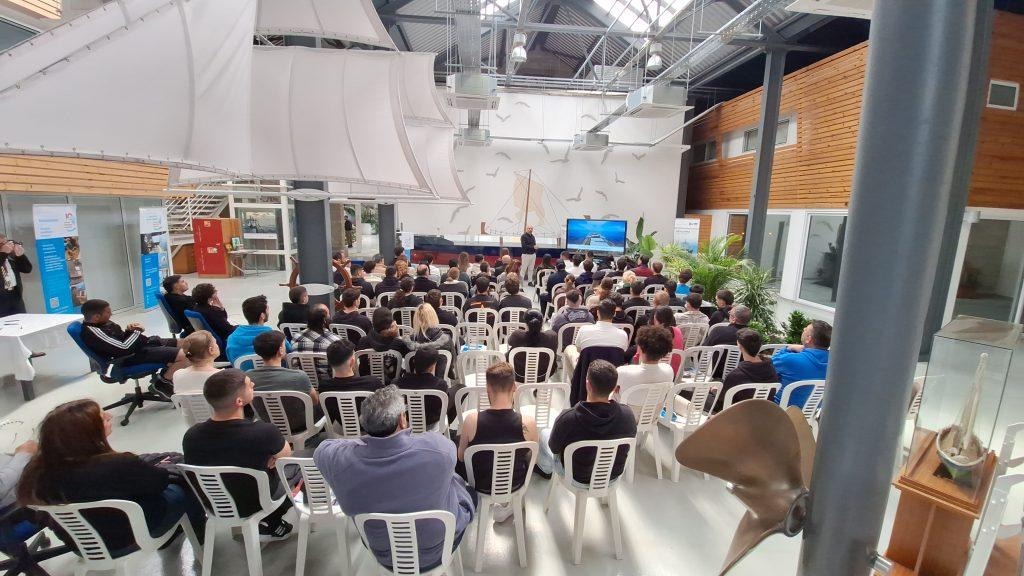
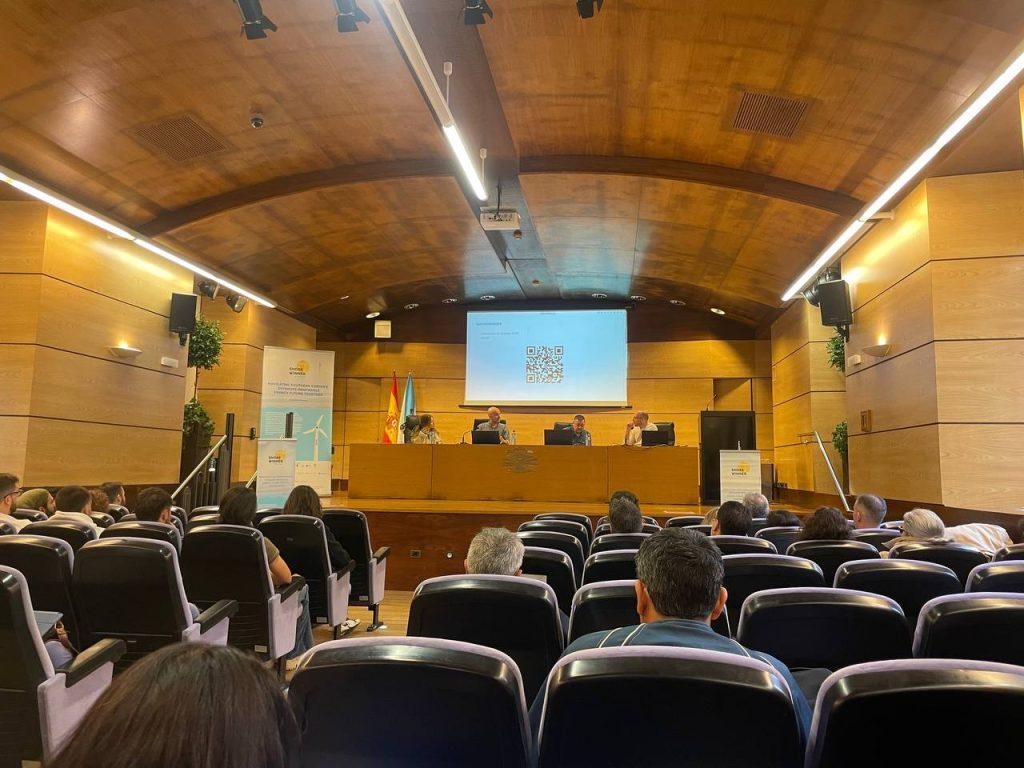
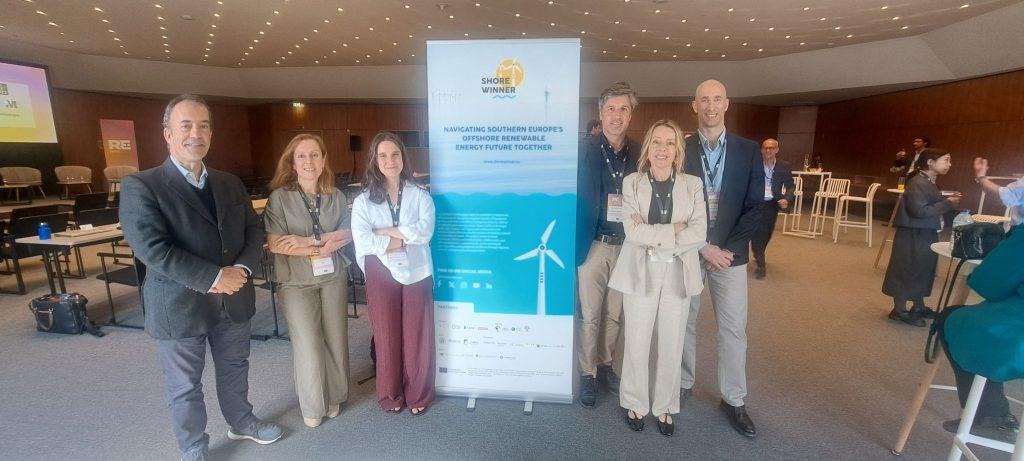
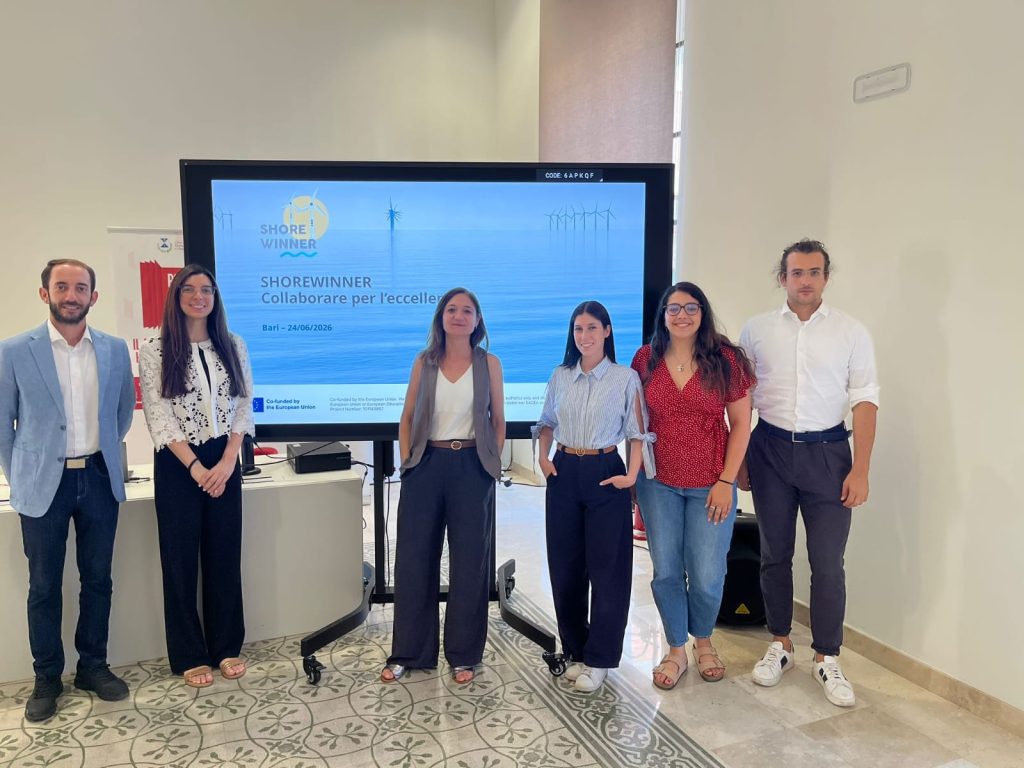
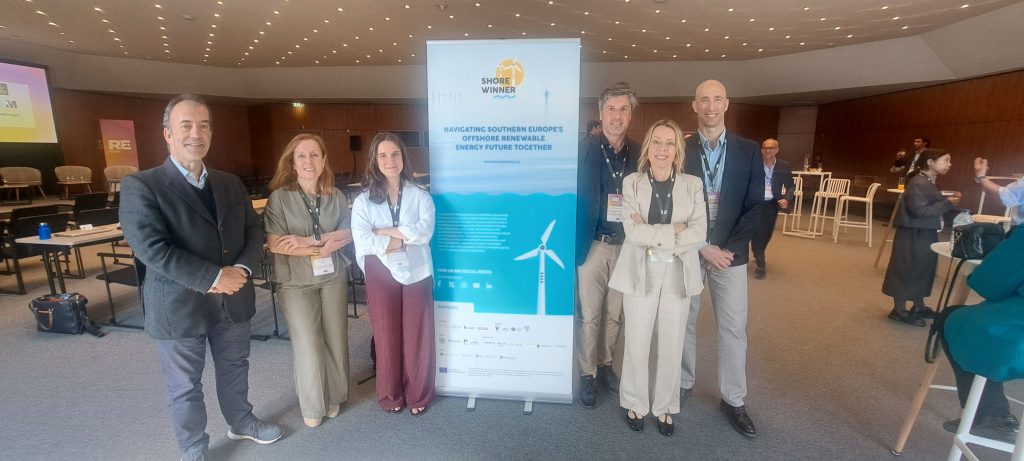
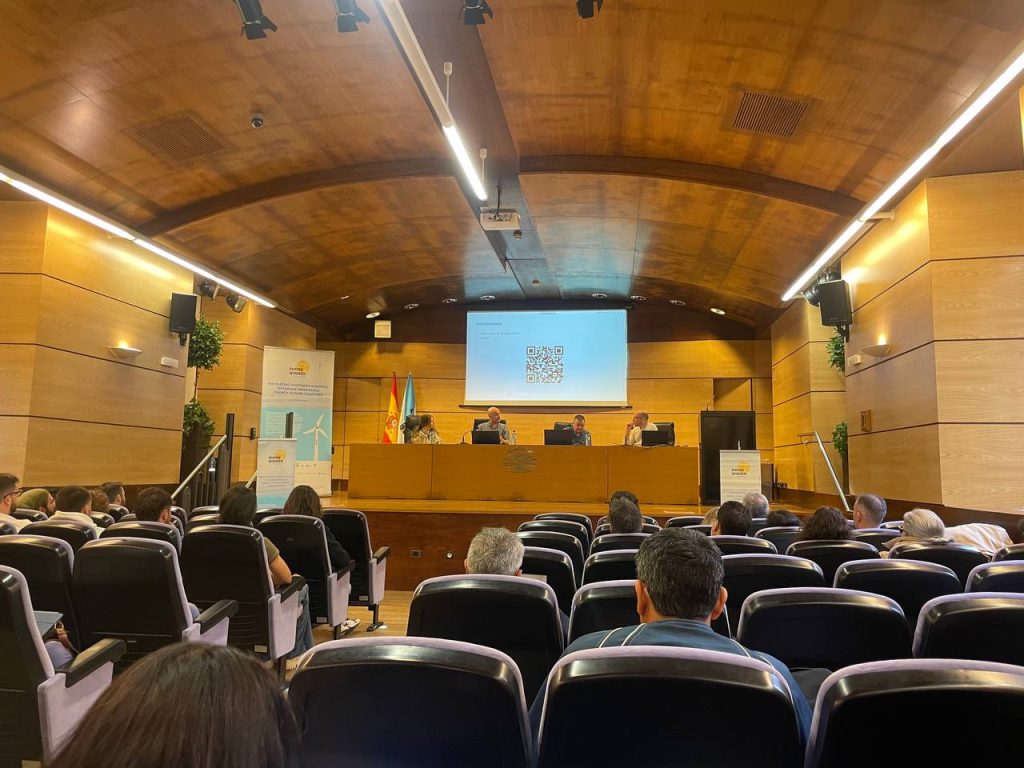
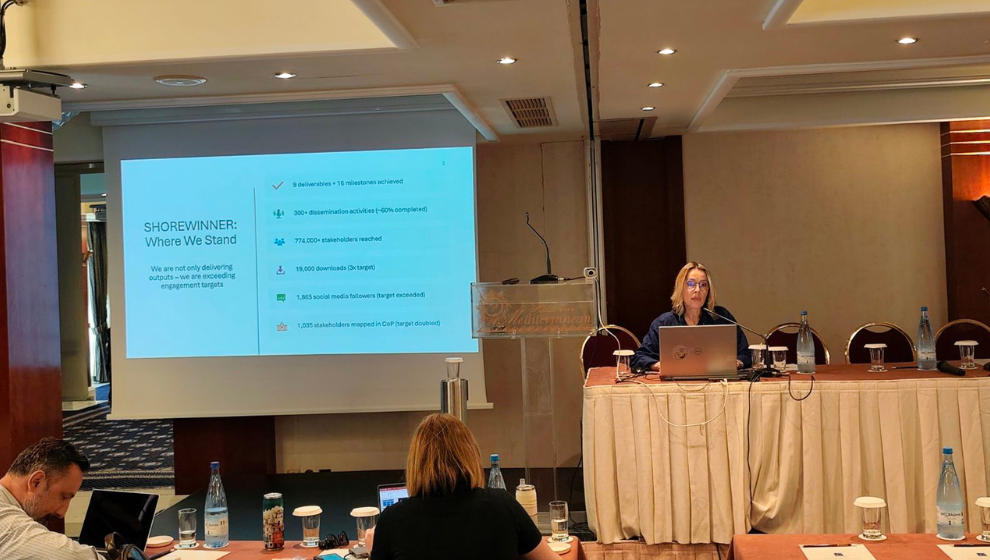
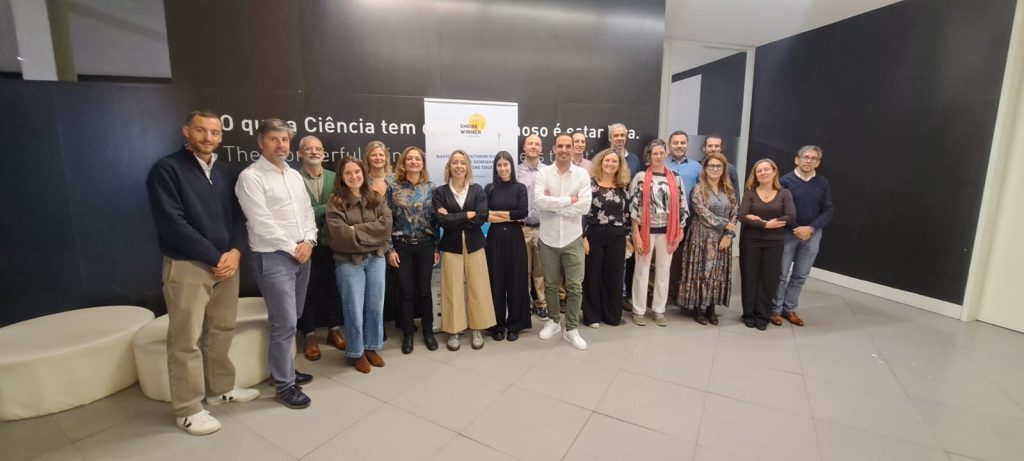
The SHOREWINNER consortium gathered in Lisbon on 31 October 2025 for its 6th Steering Committee Meeting (SC#06), hosted at the Pavilhão do Conhecimento – Ciência Viva. The hybrid event, which welcomed both in-person and online participants, brought together universities, VET providers, CoVE leaders, and industry representatives from across Southern Europe.
The meeting served as a key platform to review progress, exchange experiences, and coordinate the next milestones in strengthening offshore renewable energy education and collaboration in the region.
Meeting Highlights:
The session opened with a comprehensive update on the current status of the project, followed by the introduction of a new partner, further enriching the consortium’s expertise and network.
Socios UDC and UAEGEAN led an in-depth discussion under Work Package 3, focusing on the joint curriculum analysis, methodology revision, and the alignment of EQF5 national courses with the skills demands of the offshore wind sector.
Under Work Package 4, IFOA and APREN presented progress on the development of career kits, innovative learning materials, and CVET short courses aimed at promoting professional upskilling and mobility through micro-credentials and digital tools.
INOVA+ provided an update on Work Package 7, outlining the evaluation framework for measuring the impact and sustainability of regional Centres of Vocational Excellence (CoVEs). This was followed by a review of Work Package 1, where P.PORTO and VET partners discussed the upcoming reporting cycle and administrative matters related to payments and compliance.
Under Work Package 6, CARDET and CoVE leaders shared progress on dissemination and communication activities, including website updates, social media engagement, and the planning of Local CoVE Development Events across partner countries.
The meeting concluded with DBL and WP leaders presenting the strategic and long-term action plans (D5.2), setting the foundation for the continuation and expansion of the SHOREWINNER network beyond the project’s lifetime.
The consortium agreed on several priorities for the months ahead:
Finalizing and launching the career kits and CVET modules in early 2026
Organizing national CoVE development events to enhance visibility and regional engagement
Preparing for the impact assessment and next reporting cycle to ensure accountability and sustainability
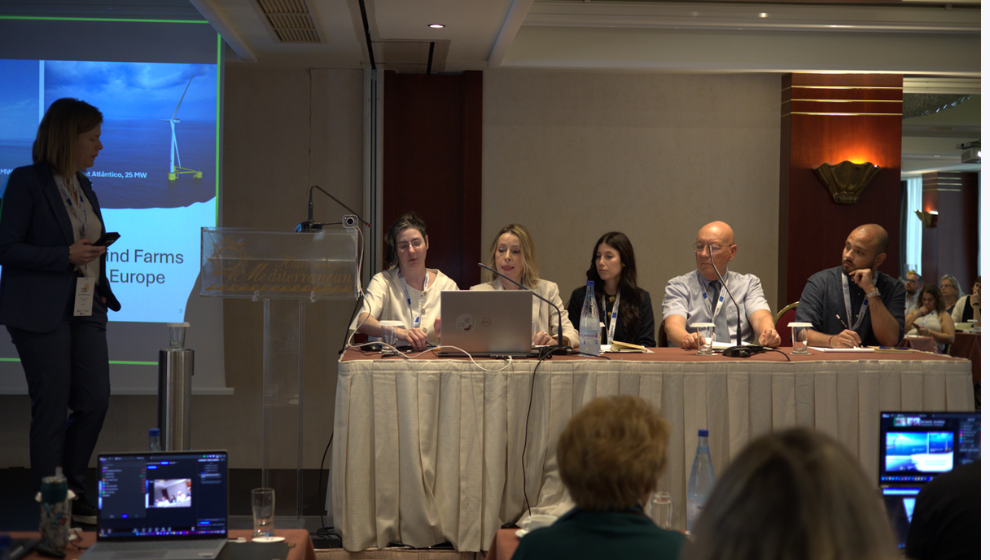
The SHOREWINNER project took part in the OTD Energy 2025 Conference, one of the leading events for the offshore and energy industry, bringing together key stakeholders, innovators, and researchers shaping the sector’s future.
Representing SHOREWINNER, Mara Marzella (Deep Blue) presented the project’s Circle networking platform, highlighting its functionalities and potential to strengthen collaboration within the offshore wind ecosystem. The presentation also showcased SHOREWINNER’s cooperation with T-Shore, a sister project dedicated to advancing offshore wind energy solutions and vocational excellence.
The conference offered a valuable opportunity to deepen collaboration between SHOREWINNER and T-Shore. During T-Shore’s stakeholders’ meeting on October 14th, our platform was featured alongside their online space for national Centres of Vocational Excellence (CoVEs). Discussions focused on the creation of a European Community of Practice—a joint effort to connect academia, students, and industry players across Europe. Both projects aim to integrate their online platforms, enhancing opportunities for stakeholders, facilitating the exchange of best practices, and fostering mutual learning across European regions.
Beyond the project meetings, OTD Energy 2025 provided participants with valuable insights into the future of the offshore and energy sectors. The event featured engaging case studies, political perspectives, and in-depth discussions on sustainability and emerging market opportunities—further underlining the importance of innovation and cross-sector collaboration for a sustainable energy future.
For more information about the conference and its programme, visit https://otdenergy.com/
On 8–9 September 2025, SHOREWINNER Project proudly participated in the Community of Practice for Centres of Vocational Excellence (CoP CoVEs) Forum 2025 held in Kolding, Denmark. The annual Forum brought together leading initiatives from across Europe to exchange knowledge, strengthen networks, and highlight innovative approaches to vocational education and training (VET).
As part of the Forum, the SHOREWINNER Project team contributed to the T-Shore workshop: “Building and Expanding Europe’s Future: T-shore’s Vision for a Strong CoVE Network”, which took place on 9 September. This interactive session explored how collaboration across Centres of Vocational Excellence can deliver long-term value for regions, industries, and learners.
Representing SHOREWINNER, Project Leader, Teresa Nogueira and Ilona-Elefteryja Lasica, delivered a joint presentation showcasing the project’s role in strengthening vocational excellence in Southern Europe. Together with partners from Wind Energy Ireland, Skive College (Denmark), POM West-Vlaanderen (Belgium), and Katapult (Netherlands), the workshop highlighted how T-Shore and SHOREWINNER are already working hand-in-hand to foster cross-border cooperation, industry engagement, and peer learning.
The session featured short presentations, dialogue, live audience input via Slido, and a panel discussion involving education and industry representatives. Key messages included the importance of cross-CoVE collaboration, structured peer learning, and designing projects that evolve based on real partnership and regional needs.
By participating in Forum 2025, SHOREWINNER Project reinforced its commitment to shaping the future of vocational excellence in Europe. The project will continue to work closely with European partners to ensure that vocational education systems remain responsive, innovative, and aligned with the needs of both learners and industries.
On July 4, the Italian ministries of Infrastructure and Transport (MIT), Environment and Energy Security (MASE), and Economy and Finance (MEF) signed a joint decree identifying state-owned maritime areas suitable for the development of offshore renewable infrastructure hubs — key industrial sites dedicated to the construction and pre-assembly of components for offshore wind and marine energy systems.
The decree designates Taranto and Augusta as national hubs and allocates €78.3 million 💰 to support the development of these strategic sites. This marks a major step forward in enabling the deployment of approved and pipeline offshore renewable energy projects across Italy, while strengthening the domestic value chain.
We highlight the important role of AERO – the Italian Offshore Renewable Energy Association, which brings together over 50 companies and stakeholders from across the ORE industry. On July 3, AERO hosted its 3rd National Conference, titled “Strategies and Perspectives for the Development of Offshore Renewable Energy in Italy”, at the Chamber of Deputies in Rome. The event was a key moment of dialogue between political representatives and the national offshore renewable industry.
As a proud partner of the Italian CoVE (Centre of Vocational Excellence) and the Shorewinner – Southern European Community for Offshore Wind Energy EU co-funded project, IFOA warmly thanks AERO for the opportunity to participate in this high-level strategic event.
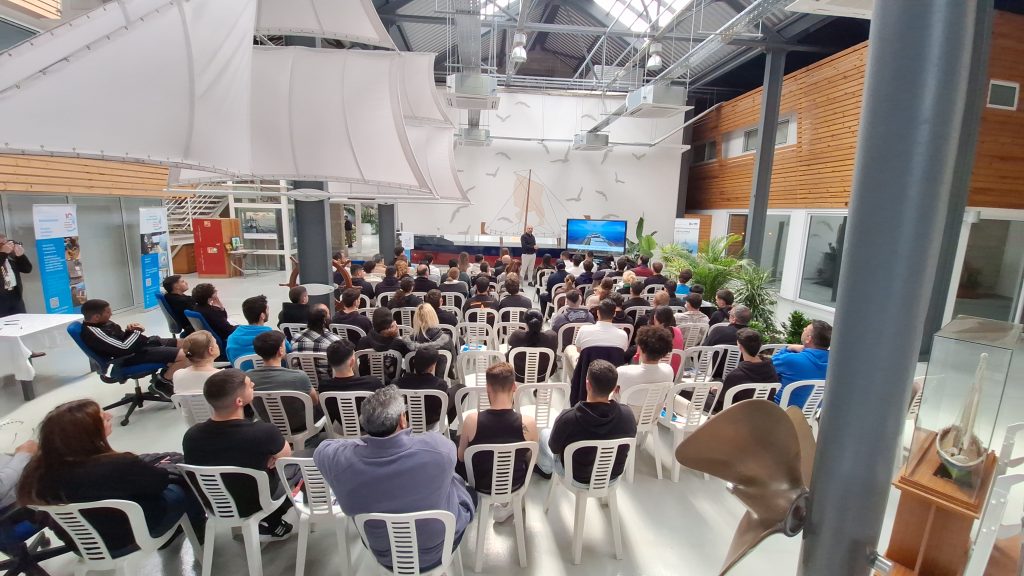
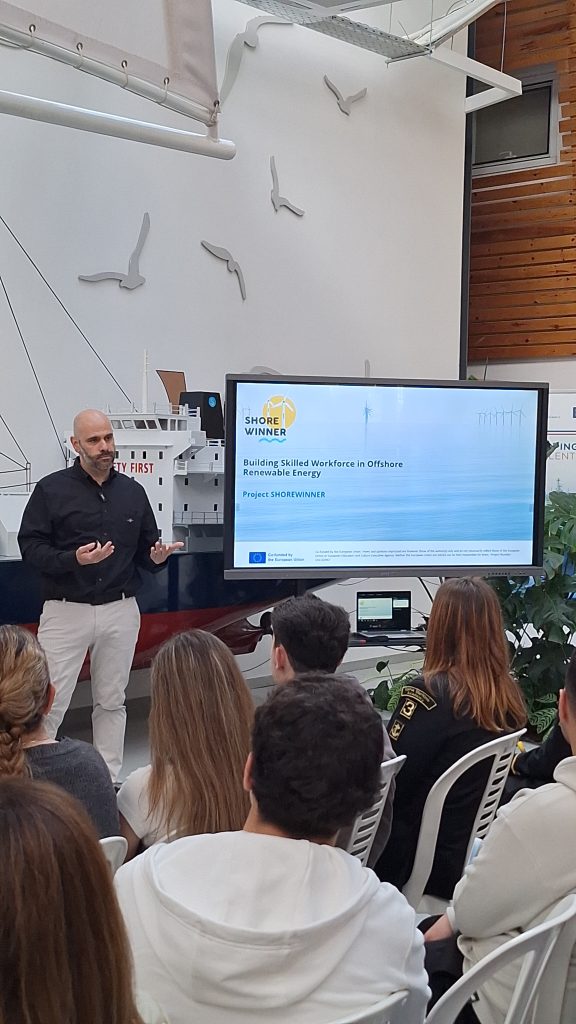
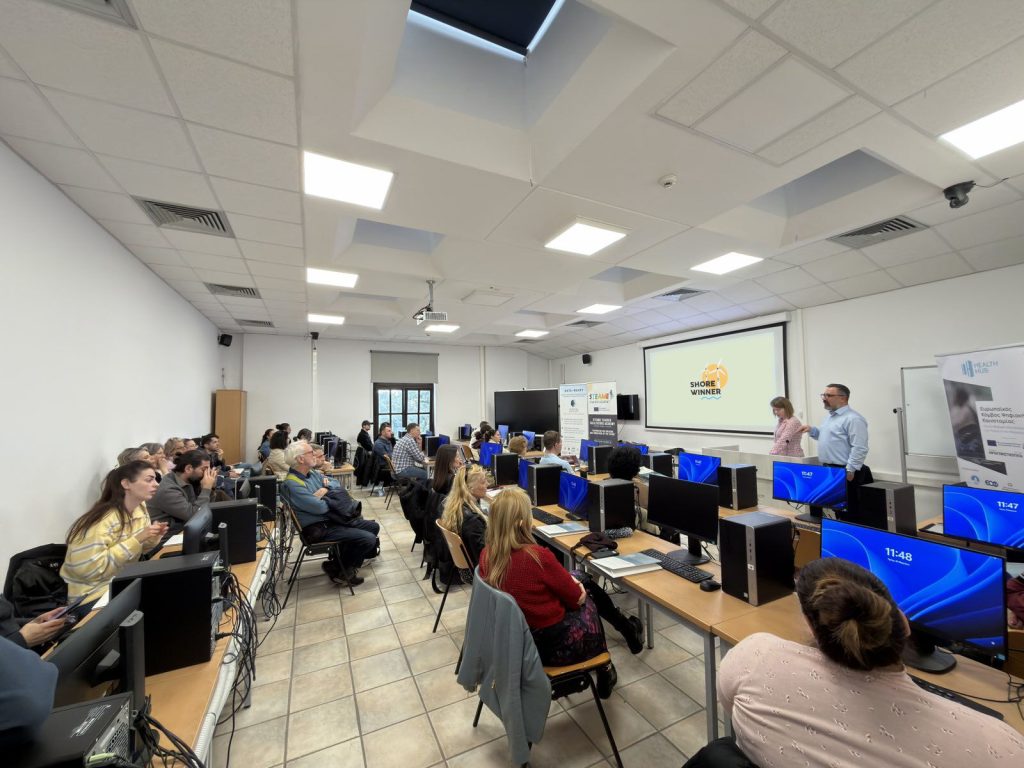
The University of Cyprus hosted a forward-looking and collaborative event titled “BUILDING A SKILLED WORKFORCE IN OFFSHORE RENEWABLE ENERGY”, gathering educators, industry leaders and experts, students, and policymakers to co-create actionable strategies for workforce development in the growing offshore renewable energy (ORE) sector.
Held at the UCY Library “Stelios Ioannou” and streamed online, the event was structured into two interactive sessions:
The Co-Design Session (10:00–12:00) focused on identifying current gaps and opportunities across education and training systems. Key discussion areas included:
Assessing how vocational education and training (VET) and higher education (HE) programmes align with ORE industry needs
Identifying skill gaps and potential areas for industry-academia collaboration
Evaluating the effectiveness of current teaching methods, including experiential and digital learning tools
Proposing improvements to training methods to better prepare learners
Exploring student career interest and engagement with ORE pathways
Addressing preparedness gaps and the support mechanisms needed to guide students into ORE careers.
The Workshop Session (12:00–14:15) transitioned the conversation toward strategic implementation and collaboration. Key themes included:
Aligning curricula with rapidly evolving technologies and industry requirements
Addressing immediate skill gaps through flexible, targeted training approaches
Enhancing student engagement via real-world interaction with industry stakeholders
Identifying key stakeholders essential for roadmap development and implementation
Exploring types of partnerships that can support long-term collaboration
Developing strategies to engage stakeholders across sectors
Ensuring the sustainability of collaborations through institutional and policy support
The event closed with a networking session that enabled participants to forge connections and explore collaborative pathways for implementing the proposed roadmap.
By integrating insights from both academic and industry spheres, this event marked a crucial step toward equipping future professionals with the skills needed to thrive in the offshore renewable energy sector.
Never has it been more urgent to recognize the impact of mental and physical health on ourselves and on those who work alongside us. In the offshore industry, we often speak about Workplace Health and Safety, yet the conversation remains overwhelmingly focused on physical risks. We are trained to prevent falls, respond to fires, and avoid machinery accidents. And while this is crucial, the same cannot yet be said for mental health – an area where the industry still has a long way to go.
Important steps have been taken in recent years, and mental health is no longer a completely taboo subject. Yet, despite increased awareness and some progress, issues like burnout, anxiety, and even suicide remain common across the sector. This cannot continue to be seen as a marginal concern. Mental health must become a clear and collective priority across the industry.
Living and Working Offshore: A Perfect Storm for Mental Strain
The unique nature of offshore work only amplifies these concerns. Statistics show that one in six people will experience a mental health issue in the coming year – and offshore workers face even greater risks due to the specific conditions of their work. Life at sea is demanding and isolating. Workers are often stationed in remote, extreme environments for weeks at a time. They operate under rotating shifts that disrupt sleep cycles and erode the boundaries between professional and personal life. Privacy is scarce, with shared cabins and communal spaces leaving little room for rest or mental decompression. On top of that, the constant awareness of work hazards, adverse weather, and emergency risks adds an ongoing layer of tension.
We must also acknowledge the emotional toll of extended separation from family and community. Offshore work can place immense strain on relationships and personal well-being. While it may be unrealistic to expect the structure of offshore work to change dramatically – long shifts and remote locations are inherent to the job – it is entirely realistic, and absolutely necessary, to ensure that every worker is supported both professionally and emotionally.
Psychological First Aid: A Human Response to Human Struggles
So, where do we begin? Change often starts with those who are physically closest to the problem. In this case, it is the offshore workers themselves – those living and working side by side – who are best positioned to recognize distress in one another and to act. This is where Psychological First Aid (PFA) becomes vital.
Psychological First Aid is not therapy. It is a set of simple, human actions designed to reduce immediate emotional distress and help people feel safe, connected, and supported. It is about knowing how to respond when a colleague shows signs of emotional exhaustion, panic, or overwhelm. In offshore environments, where access to professional mental health services may be delayed or unavailable, PFA becomes an essential peer-to-peer safety tool.
The core principles of Psychological First Aid can be organized into six action areas: Protect, Calm, Connect, Competence, Confidence, and Care – as a foundation for supporting others through stress and crisis.
But psychological safety cannot rely solely on individual awareness. Isolation at sea makes early detection of mental health issues more difficult, which means that responsibility must be collective. Building a supportive environment depends on creating a culture where vulnerability is not seen as weakness but as strength. And that culture must be modelled from the top down.
A Call to Action: Education, Leadership, and Culture Change
Leadership plays a key role. Long-term progress depends on embedding mental health into the training and certification of all offshore professionals. Mental health awareness and PFA must become standard parts of offshore education, not optional extras. Workers need to learn how to identify emotional stressors, recognize the signs of distress and take responsible action. This includes training for managers and supervisors, who must understand how to create psychologically safe environments where people can speak up, ask for help and feel supported.
Fortunately, there are already some promising initiatives underway. A few companies are beginning to incorporate mental health into their Workplace Health and Safety programs. Vocational Education and Training (VET) institutions are exploring modules that address psychological risks in high-stress jobs. Some leadership programs introduce components on emotional intelligence and peer support. But we are still far from a coherent, industry-wide culture of mental health prioritization.
For education and training institutions, the next step is clear: courses must include not only the technical and safety competencies required offshore, but also core knowledge about mental health and prevention. Collaboration between technical disciplines and psychology departments can help ensure that mental well-being is integrated across the board – from university programs to workplace inductions. In addition, research into the psychological impact of offshore work must continue to inform better policies and training models.
Companies also have a duty to act. HR departments, supervisors and team leaders must be equipped with the knowledge and tools to recognize signs of anxiety, depression and isolation. Managers must foster a culture of openness and emotional support, where mental well-being is treated with the same importance as physical safety. Dedicated mental health professionals, namely psychologists trained in prevention and crisis intervention, should be part of the workforce ecosystem, either in-house or through formal partnerships; these services must be accessible and normalized.
Ultimately, the offshore sector needs a cultural transformation. And culture does not shift overnight – it moves gradually, through education, leadership, communication and example. It moves when values are redefined, when vulnerability is accepted and when mental well-being is understood not as a private concern but as a shared responsibility.
In a challenging labour market, mental health services and education can also play a key role in attracting and retaining skilled professionals. Workers today seek more than good pay and technical training; they seek support, stability and purpose. If we want to build a resilient and future-ready offshore workforce, we must build a culture that prioritizes mental health.
So we ask ourselves: Are we truly treating our workers as our most valuable asset? Are we really doing everything we can to create safe, healthy environments offshore? And what kind of legacy do we want to leave for those who will follow?
Vulnerability is our strongest weapon—and the truest measure of courage.
Maria Miguel Rodrigues Member of the SHOREWINNER consortium Psychologist (license no. 025882 from Ordem dos Psicólogos Portugueses) E-mail: maria.rodrigues@inova.business
Welcome to the Second Edition of the SHOREWINNER Newsletter!
April 2025
In this second edition, we dive into the exciting developments and updates of the SHOREWINNER project, an ambitious initiative aimed at fostering the growth of the offshore renewable energy sector in Southern Europe. Learn about our recent events, objectives, and the collaborative efforts shaping the future of offshore wind energy.
Important Updates
1. Exciting News for the Offshore Wind Community: Launch of the CoP Platform!
We are thrilled to launch the SHOREWINNER – Southern European Community for Offshore Wind Energy Community of Practice (CoP) platform — a dynamic hub designed to drive Community Development & Governance in the Southern European offshore wind energy sector.
We have created an informative info sheet about the SHOREWINNER project, providing key details and objectives. Access it here: https://shorewinner.eu/info-sheet/
Events Recap
Blue Energy Summit 2025: Shaping the Future of Offshore Renewable Energy
On February 13, 2025, the Blue Energy Summit 2025, a premier event dedicated to offshore renewable energy, successfully brought together over 65 industry leaders, policymakers, researchers, and academics at the Università Politecnica Delle Marche, Ancona, Italy. This hybrid event explored the latest advancements and future opportunities in offshore energy development.
This summit marked a significant milestone as the first thematic conference of the EU-funded project SHOREWINNER, reinforcing its role in advancing offshore renewable energy through innovation, collaboration, and policy development.
– Opening Ceremony: Led by representatives from UNIVPM and P.PORTO, setting the stage for a day of insightful discussions and knowledge sharing.
– Keynote Address: Lorenzo Occhineri from Fastventus Solutions LTD delivered “The Evolution of Offshore Wind Turbines: From 3 MW to 20+ MW – Scaling Up for a Sustainable Future”, emphasizing strategies to enhance offshore energy scalability and sustainability.
– Expert Discussions: Insights into Centres of Vocational Excellence (CoVEs) across Europe (Italy, Cyprus, Greece, Spain, and Portugal), highlighting collaborative efforts to strengthen skill development and drive innovation in offshore energy.
– Industry Challenges: Discussions on workforce development, upskilling, reskilling, and mental health support, emphasizing the need for a resilient and well-prepared workforce in the blue energy sector.
The Blue Energy Summit 2025 successfully fostered critical discussions, strengthened partnerships, and set a clear agenda for the future of offshore renewable energy. As stakeholders continue to collaborate, the summit’s outcomes will play a crucial role in shaping sustainable and resilient offshore energy solutions worldwide.
Second General Assembly Meeting
On February 14, 2025, the project’s partners convened in Ancona, Italy for their 2nd General Assembly Meeting.
Meeting Highlights:
– Review of all deliverables, progress, and dissemination actions from March 2024 to February 2025.
– Updates on ongoing initiatives, upcoming tasks, and events.
– Review of the dissemination log and action plans for each partner.
– Planning for the next meeting schedule and miscellaneous agenda items.
Stay connected for more updates on SHOREWINNER’s exciting journey towards a sustainable offshore energy future!
The Offshore Renewable Energy (ORE) sector has a new home for collaboration, knowledge-sharing, and career growth. The SHOREWINNER Platform is now live, offering professionals, students, trainees, and entrepreneurs a dedicated space to connect, learn, and thrive.
What is the SHOREWINNER Platform?
The SHOREWINNER Platform is an innovative online community designed to bring together key players in the ORE industry. Whether you are seeking career opportunities, expert insights, or business development resources, this platform serves as your go-to networking hub.
Key Features of the Platform:
SHOREWINNER Community of Practice (CoP): A dedicated space for members to engage and exchange ideas, fostering collaboration on community development and governance within the offshore wind energy sector.
Competences Platform: Access a wide range of entrepreneurial tools and startup and learning resources, industry best practices, and research materials to enhance your knowledge and professional growth.
Learning Space: Opportunities for continuous learning, skill development, and professional training tailored to the evolving needs of the ORE industry, as well as educational resources including research papers and case studies.
Collaboration Opportunities: Connect with industry experts, facilitate partnerships among SMEs, and gain support for entrepreneurship initiatives to establish or expand businesses in the ORE sector.
Exclusive job opportunities and industry insights: Stay ahead in your career with access to sector-specific job postings, expert perspectives, and the latest industry trends.
Why Join?
By becoming part of the SHOREWINNER community, you gain access to a growing network of experts and like-minded professionals across various EU countries. Engage in meaningful discussions, exchange knowledge, and leverage invaluable resources to propel your career, business, or educational journey forward.
The platform is designed to facilitate the establishment and consolidation of the SHOREWINNER Community of Practice (CoP), serving as a central hub for knowledge sharing, networking, and collaboration among stakeholders in the Southern European offshore wind energy sector.
Don’t miss out on this opportunity to connect and grow within the ORE sector. Join us today!
On February 14, 2025, the project’s partners held their 2nd General Assembly Meeting.
During the meeting, partners reviewed all deliverables, progress and dissemination actions from March 2024 to February 2025.
Key discussions included updates on ongoing initiatives, upcoming tasks and events, a review of the dissemination log, action plans for each partner, and the next meeting schedule, along with miscellaneous agenda items.
On February 13, 2025, the Blue Energy Summit 2025, a premier event dedicated to offshore renewable energy, successfully brought together over 65 industry leaders, policymakers, researchers, and academics at the Università Politecnica Delle Marche, Ancona, Italy. This hybrid event explored the latest advancements and future opportunities in offshore energy development.
This summit marked a significant milestone as the first thematic conference of the EU-funded project SHOREWINNER, reinforcing its role in advancing offshore renewable energy through innovation, collaboration, and policy development.
The summit commenced with an Opening Ceremony led by representatives from UNIVPM and P.PORTO, setting the stage for a day of insightful discussions and knowledge sharing.
Lorenzo Occhineri from Fastventus Solutions LTD delivered the keynote address, “The Evolution of Offshore Wind Turbines: From 3 MW to 20+ MW – Scaling Up for a Sustainable Future”, emphasizing strategies to enhance offshore energy scalability and sustainability.
Experts provided insights into Centres of Vocational Excellence (CoVEs) across Europe (Italy, Cyprus, Greece, Spain and Portugal), highlighting collaborative efforts to strengthen skill development and drive innovation in offshore energy.
The session featured an in-depth discussion on current trends and future pathways in Offshore Renewable Energy, with leading researchers and industry professionals sharing expertise on sustainable energy solutions.
A crucial industry challenge, workforce development, upskilling, reskilling, and mental health support, was also addressed, emphasizing the need for a resilient and well-prepared workforce to propel the blue energy sector forward.
The Blue Energy Summit 2025 successfully fostered critical discussions, strengthened partnerships, and set a clear agenda for the future of offshore renewable energy. As stakeholders continue to collaborate, the summit’s outcomes will play a crucial role in shaping sustainable and resilient offshore energy solutions worldwide.
Cofinanciado por la Unión Europea. Las opiniones y puntos de vista expresados en el presente documento son, sin embargo, los de los autores y no reflejan necesariamente los de la Unión Europea o la Agencia Ejecutiva Europea de Educación y Cultura. Ni la Unión Europea ni la EACEA se hacen responsables de los mismos. Número de proyecto : 101143967